
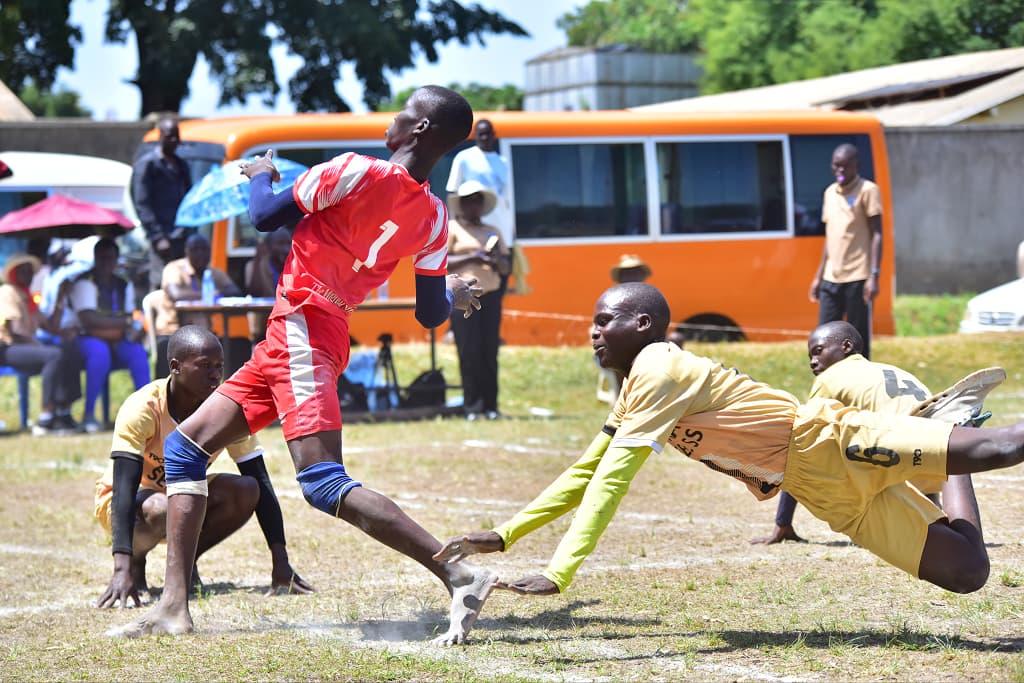
Beyond Kawuna: Schools Chasing Glory in Kho Kho
By George Katongole
The Indian-origin tag sport is winning young hearts through speed, strategy and teamwork as schools create a pathway for the next generation of athletes.
The sprint, the chase and the excitement of tagging an opponent are familiar scenes for many Ugandans who grew up playing kawuna and other traditional running games.
But on the marked courts of Gulu High School, that childhood instinct has found a new competitive home.
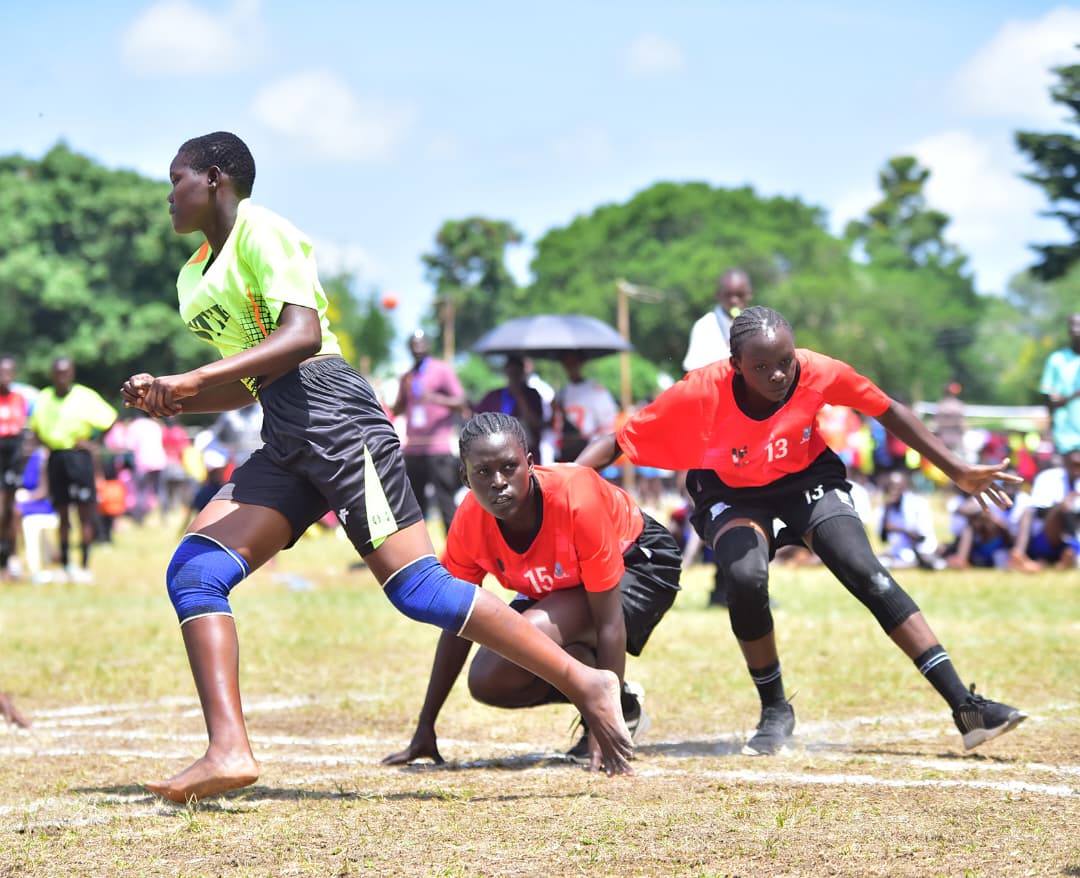
Welcome to Kho Kho, an Indian-origin sport that is rapidly gaining popularity in Uganda’s schools by blending the simplicity of traditional playground games with the structure and discipline of organised competition.
Requiring little equipment and minimal infrastructure, Kho Kho is attracting young athletes who enjoy running, dodging, quick decision-making and teamwork. Its appeal lies in its continuous action, with players constantly chasing opponents, evading tags and making split-second tactical decisions.
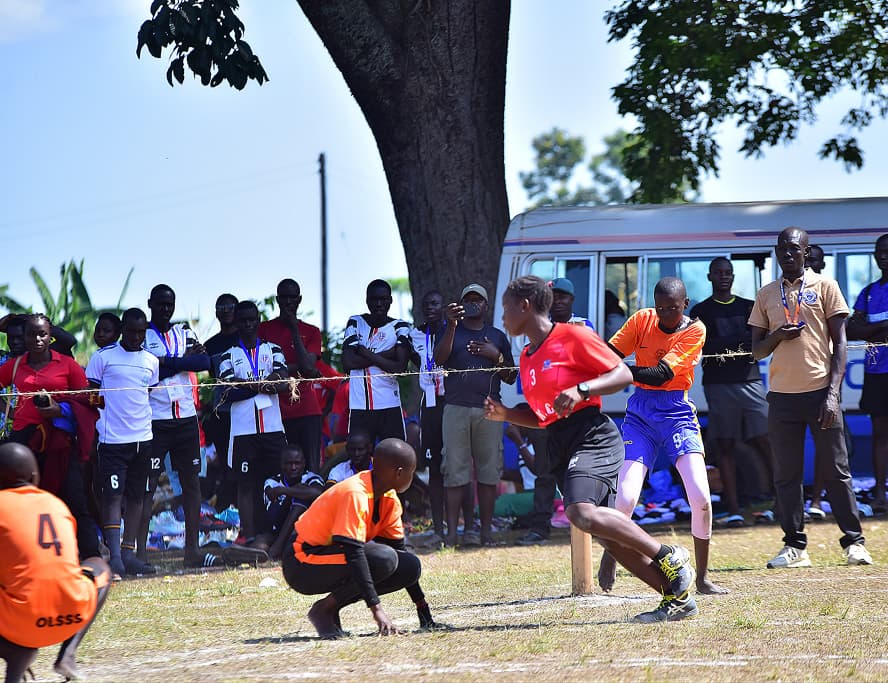
The sport’s growing popularity was evident during the Uganda Secondary Schools Sports Association (USSSA) Ball Games II in Gulu, where schools battled for national honours while demonstrating that Uganda’s newest school sport is steadily building a strong grassroots foundation.
Rubongi Army Secondary School emerged champions in the boys’ category after defeating Serere Secondary School 51-27 in the final, while Kyambogo College School claimed the girls’ title with a convincing 57-33 victory over St Elizabeth Girls Secondary School.
For Rubongi Army SS, the triumph marked a historic milestone—it was the school’s first-ever national sports championship since its establishment in 2004.
A game built on speed and intelligence
Kho Kho originated in India and is one of the country’s oldest traditional sports. Played between two teams on a rectangular court, the game requires chasers to tag defenders while the defenders rely on speed, agility and tactical movement to avoid elimination.
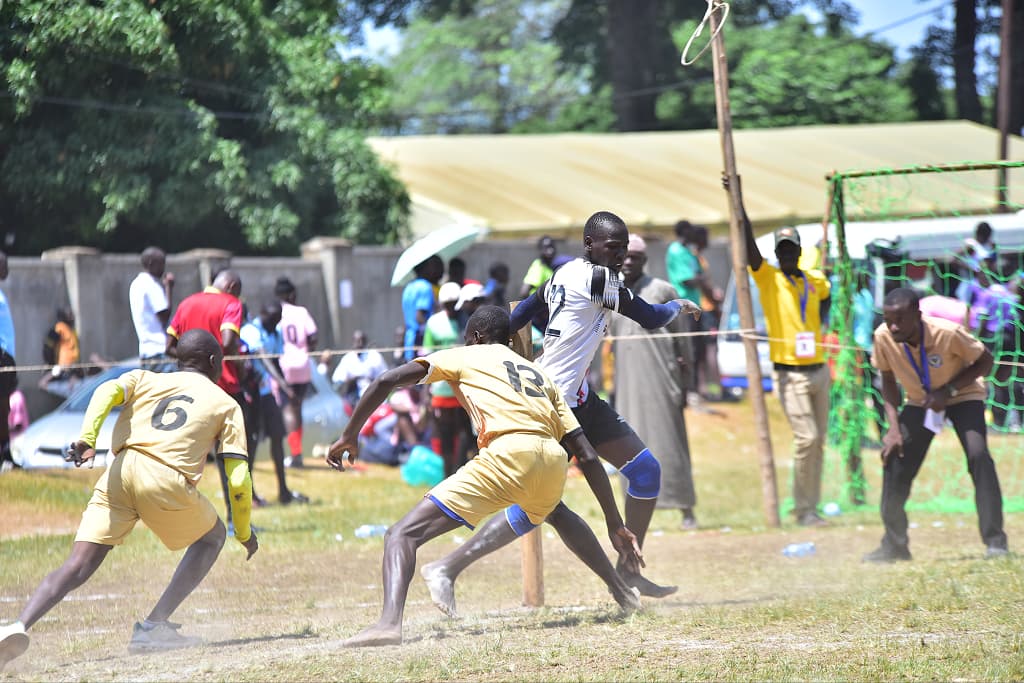
To many Ugandan learners, however, the sport feels surprisingly familiar.
Its fast-paced nature closely resembles kawuna, a popular childhood chasing game where players depended on speed, deception and teamwork to escape opponents.
The difference is that Kho Kho transforms that informal playground excitement into a structured sport complete with recognised rules, certified coaches and international competitions.
Rubongi Army SS head coach Okello Abednego believes that unique combination explains why the sport is growing rapidly.
“Kho Kho is about speed, tagging and strategy. Players must understand the game and work together as a team,” Okello said.
A Level One Kho Kho coach, Okello transitioned into the sport after years of coaching woodball.
“The transition wasn’t difficult because both sports demand discipline. In woodball you use a mallet and ball on fairways, but Kho Kho is played on a court where everything depends on speed, timing and tagging opponents.”
Rubongi’s road to history
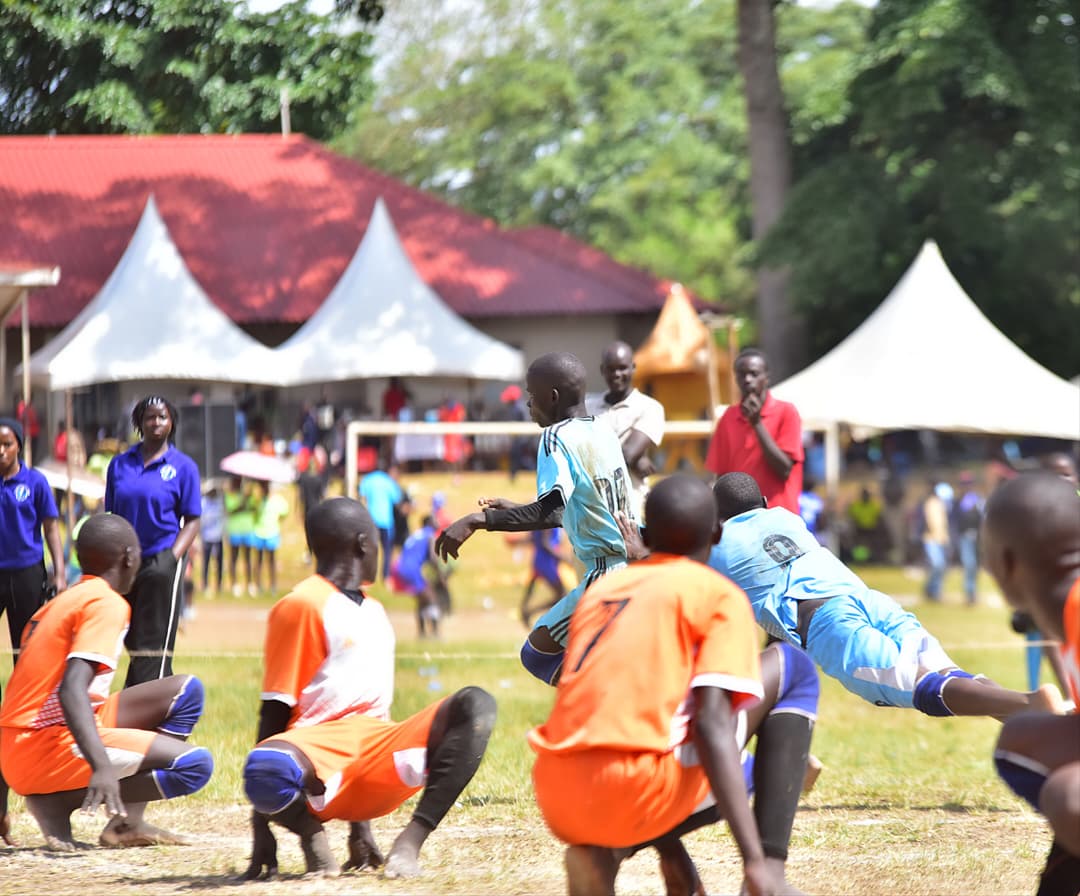
Rubongi Army SS only introduced Kho Kho earlier this year but quickly embraced the discipline.
Okello began identifying players in March, recruiting mainly from Senior One and Senior Two before intensive training started in April. From the large number of interested learners, only the most committed remained.
“Our success came through hard work. The boys understood the rules, believed in themselves and kept improving every day,” he said.
To strengthen the squad, the coaching staff also recruited several boys who had previously played netball.
The championship-winning team was largely composed of Senior One students, supported by a handful of Senior Three and Senior Four learners.
According to Okello, speed, endurance and teamwork were the qualities that separated his side from the rest.
“This team never relied on individuals. Whenever one player came under pressure, another stepped up. Everyone played for each other.”
The final against Serere SS tested that spirit.
Although Rubongi had already defeated Serere earlier in the tournament, the final presented a completely different challenge. Serere dominated the early exchanges and built momentum before Rubongi made a tactical adjustment.
Okello introduced the diminutive Joshua Alinda, whose pace and agility transformed the contest.
“Many people underestimated Joshua because of his size, but he became the difference. He tagged out several opponents and completely changed the game.”
Rubongi mounted an impressive comeback before eventually lifting the national title.
Team captain David Odong, a Senior One student, credited unity for the team’s success.
“At first things were difficult, but after making changes we started collecting more points. Kho Kho is a team sport—you cannot succeed alone.”
Having previously competed in athletics, Odong believes Kho Kho demands much more than speed.
“Athletics is mostly about running fast. Kho Kho also requires intelligence. If you understand the game and think quickly, you can become a champion.”
A school discovers a new sporting identity
For Rubongi Army SS, the victory represents much more than winning a trophy.
Deputy Head Teacher in charge of Co-curricular Activities Livin Mugisha described the championship as a defining moment in the school’s history.
“This is our first national trophy as an institution. It means everything to us.”
The school, which has approximately 4,800 learners, has invested heavily in sports by employing full-time coaches, financing training programmes and supporting athletes across different disciplines.
Kho Kho has rapidly become one of its flagship sports, with nearly 200 learners participating in both the boys’ and girls’ teams.
Mugisha believes the sport develops valuable life skills beyond competition.
“Kho Kho teaches discipline, teamwork, resilience and decision-making. These are qualities learners carry into everyday life.”
The school hopes its success will inspire more schools to adopt the sport.
“Kho Kho is affordable. Once you have a court and committed players, it can be played almost anywhere,” Okello added.
Uganda’s Kho Kho movement gathers momentum
The USSSA Ball Games II showcased the increasing competitiveness of Kho Kho across the country.
Labori High School finished third in the boys’ competition after defeating Atiira Seed School 87-57, while Rubongi reached the final after victories over Serere Township 75-35 and 66-54.
Other notable results included Labori’s 94-30 victory over Soroti SS and Atiira Seed’s 86-59 triumph against Labori.
In the girls’ championship, Kyambogo College School dominated throughout the tournament, defeating Sacred Heart Secondary School 100-30 and Soroti SS 75-14 before overcoming St Elizabeth Girls in the final.
Serere Township secured the bronze medal after beating Olio Seed School 61-40.
Individual excellence was also recognised.
Isaac Egau (Labori High School) – Boys’ Most Valuable Player
Grace Ojil (Kyambogo College School) – Girls’ Most Valuable Player
Shadrack Okech (Rubongi Army SS) – Best Boys’ Defender
Jesca Fridah Ojilong (Serere Township) – Best Girls’ Defender
Lucky Jovian Stella (Kyambogo College School) – Best Girls’ Attacker
Lazalo Otim (Atiira Seed School) – Best Boys’ Attacker
Kho Kho Uganda President Nsubuga described the championship as a major breakthrough.
“The USSSA Ball Games II championship in Gulu has been a huge success. This is a historic moment for Kho Kho in Uganda. We shall continue organising regional and national competitions because the future of the sport is very bright.”
From school courts to the international stage
Uganda’s Kho Kho journey has already extended beyond its borders.
The country has previously participated in international competitions, including the Kho Kho World Cup, and administrators believe schools will become the foundation for producing stronger national teams.
School competitions are now viewed as the most important pathway for identifying and nurturing future talent.
Kho Kho is also part of the wider growth of emerging sports in Uganda. Alongside disciplines such as darts, pickleball and ludo, it made its USSSA Ball Games II debut this year, further expanding opportunities for young athletes.
For today’s learners, the attraction is obvious.
Kho Kho combines the excitement of childhood games with the prestige of organised sport.
What began as simple running, chasing and tagging is quickly becoming one of Uganda’s fastest-growing school sports.
The chase has only just begun.
KEY RESULTS
USSSA Kho Kho 2026
Boys
Champions: Rubongi Army SS
Final: Rubongi 51-27 Serere SS
Third place: Labori HS 87-57 Atiira Seed
Girls
Champions: Kyambogo College
Final: Kyambogo 57-33 St. Elizabeth Girls
Third place: Serere Township SS 61-40 Olio Seed
Individual awards
Boys MVP: Isaac Egau (Labori HS)
Girls MVP: Grace Ojil (Kyambogo)
Best defenders: Shadrack Okech (Rubongi), Jesca Fridah Ojilong (Serere Township)
Best attackers: Lazalo Otim (Atiira), Lucky Jovian Stella (Kyambogo)