

Not Every Prisoner Is Guilty: Human Rights Advocates Demand End to Death Penalty
By: Kyeyune Ali | Kampala, Uganda
Human rights advocates have renewed their calls for the total abolition of the death penalty in Uganda and across the world, arguing that the practice is outdated, inhumane, and ineffective in deterring crime.
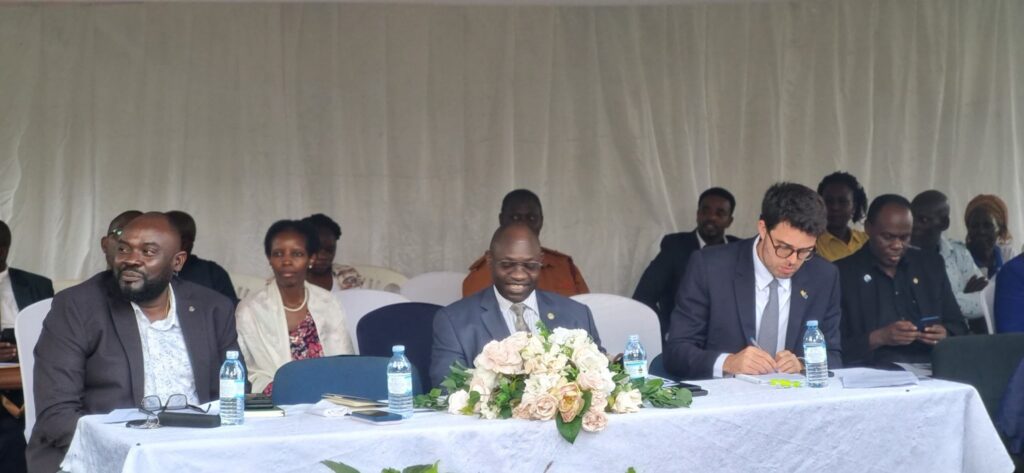
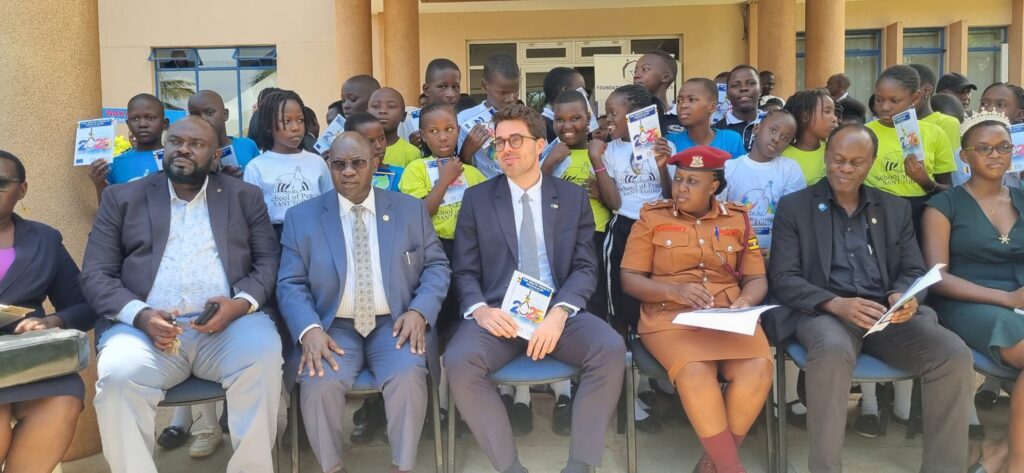
This appeal came on Friday during the commemoration of the 23rd World Day Against the Death Penalty, organized by the Foundation for Human Rights Initiative (FHRI) in partnership with the European Union, at the Human Rights House in Nsambya, Kampala. The event ran under the theme: “The Death Penalty Protects No One – Abolish It Now.”
According to the 1995 Constitution of Uganda (Article 22:1), the death penalty is still a lawful punishment. However, recent data from FHRI shows a steady decline in death row inmates, signaling positive progress toward eventual abolition. Statistics reveal that the number of prisoners sentenced to death dropped from 125 in 2021 to 96 in 2025—a reflection of changing judicial attitudes and growing advocacy for life imprisonment as an alternative.
FHRI Executive Director Dr. Livingstone Sewanyana emphasized that the death penalty has no place in modern justice systems.
“The death penalty can’t change anything at all,” he said. “Instead of killing offenders, nations should focus on tackling root causes of crime—such as poverty, unemployment, poor health, and lack of education. Rich people rarely face execution, yet they too commit crimes. It’s the poor who suffer the most under this system.”
The emotional weight of the death penalty was brought to life by Nansamba Rose, a law student whose mother spent 25 years on death row.
“As a child, I was not protected,” she shared tearfully. “My mother’s sentence ruined my childhood. I never went to school then, and my family turned their backs on me. The death penalty doesn’t protect anyone—it only creates more pain. My life would have been better if the government had considered us.”
Globally, 144 countries have abolished the death penalty, while 16 African nations have already removed it from their laws. Activists argue that this growing trend reflects a deeper understanding that justice should reform, not revenge.
In Uganda, more than 32 offenses—including murder, rape, treason, and crimes under the UPDF Act and the Anti-Terrorism Act—can lead to a death sentence. However, human rights defenders maintain that true justice lies in rehabilitation, not retribution.
As the movement gains momentum, Uganda’s progress toward ending capital punishment is being seen as a step toward a more humane and equitable justice system—one that values life over vengeance.