
Fans Roar, FUFA Retreats: The Power of the People Saves Ugandan Football
By: Lawrence Mubiru
When FUFA unveiled its new three-round league format in August, it thought it was rewriting the future of Ugandan football. Instead, it awakened a storm — one that roared from Kitende to Villa Park, from social media to the streets.
This was not just a policy debate. It became a people’s movement. And at the heart of it stood the fans — passionate, loyal, unrelenting reminding everyone that football in Uganda does not belong to offices or committees. It belongs to them.
“We Are the Game” — Fans Rise in Rebellion
Within days of the announcement, fury spread across the football community. Supporters of Vipers SC, SC Villa, KCCA FC, and smaller clubs alike found common ground: anger.
They felt ignored, sidelined, and disrespected by a federation that made sweeping decisions without their voice. Online, fan pages burned with outrage.
“You can’t play with the soul of the game,” wrote a Vipers supporter on X. “We buy the tickets, we fill the stands, we keep the league alive. How dare they decide without us?”
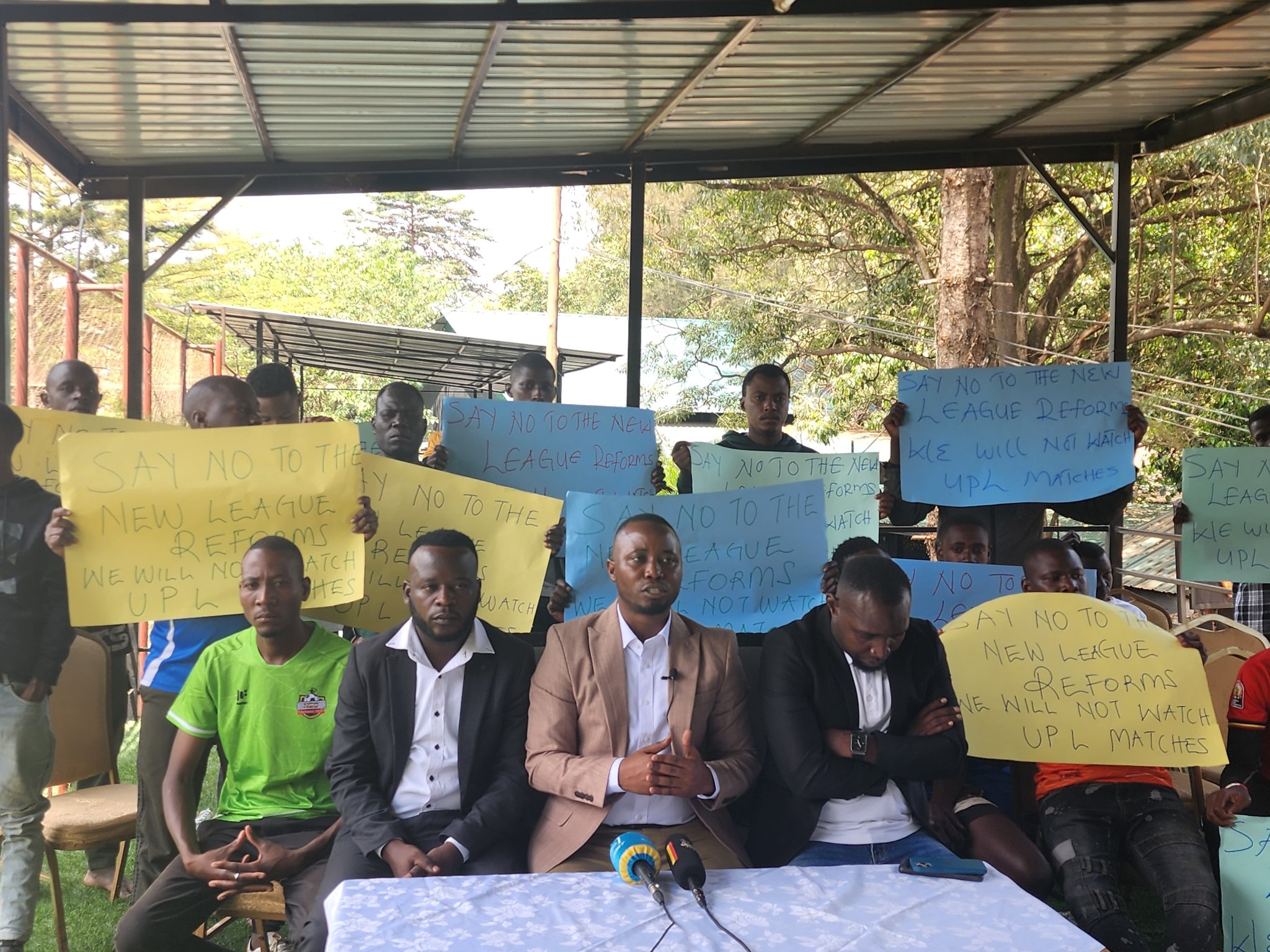
Hashtags like #FansFirst, #SaveOurLeague, and #NoToThreeRounds surged to the top of Ugandan social media trends. Petitions were launched. Others promised boycotts if FUFA refused to listen.
By early October, entire fan groups were organizing coordinated protests — not with violence, but with solidarity. “If they change our league, we change our attendance,” one SC Villa fans’ association warned in a statement that spread widely online.
Unity from the Stands to the Boardroom
The backlash didn’t stop with the fans. For the first time in years, bitter rivals Vipers SC and SC Villa found themselves on the same side — releasing a joint statement condemning FUFA’s decision and demanding that the federation restore transparency and fairness.
Clubs argued that the new gate revenue-sharing model would cripple them financially, draining resources from teams that had invested heavily in fan engagement and stadium infrastructure.
“It’s like punishing success,” said one Villa official. “We’ve built our fan base from scratch, and now we’re told to split the reward. That’s not development — that’s destruction.”
Sponsors, too, began to grow uneasy. Sources close to StarTimes, the league’s main broadcast partner, revealed concerns that the confusion and hostility surrounding the new system could damage the brand and drive away advertisers.
The walls began to close in on FUFA.
A Federation Cornered
Inside Mengo, the pressure became impossible to ignore. What began as murmurs of discontent had turned into a deafening chorus. Every tweet, every chant, every statement chipped away at FUFA’s confidence.
By mid-October, the federation’s tone shifted. The defiance that marked the early days of the reform was gone, replaced by quiet reconsideration. On October 18, FUFA officially suspended the new three-round format, citing “stakeholder concerns.”
It was, in truth, more than a suspension. It was a humbling — a moment when the mighty federation was forced to bow to the collective will of its people.
Victory for the Stands
As news broke, jubilant fans celebrated online, calling it a “people’s victory.” Memes flooded social media; club chants echoed in bars and fan spaces.
“We spoke, and they heard us,” one KCCA fan posted. “For once, football listened to the fans, not the boardroom.”
Another Villa supporter wrote, “This win isn’t just for us — it’s for every fan who ever felt ignored. We are not background noise. We are the heartbeat.”
The Message Is Clear: Football Belongs to the Fans
The entire saga has left a powerful message written across Ugandan football’s walls: the fans are not consumers — they are custodians. Their passion fills stadiums, their loyalty sustains clubs, and their voices now shape the game’s destiny.
FUFA’s reversal is more than a policy correction; it’s a wake-up call. In the modern era, fans are no longer passive spectators. They are active stakeholders — vocal, organized, and impossible to silence.
And on this October day, Ugandan fans proved what every football federation should never forget: you can own the league, but the game will always belong to the people.