
Uganda’s Youth at the Centre of Call for Inclusive Economic Growth
By Kyeyune Ali
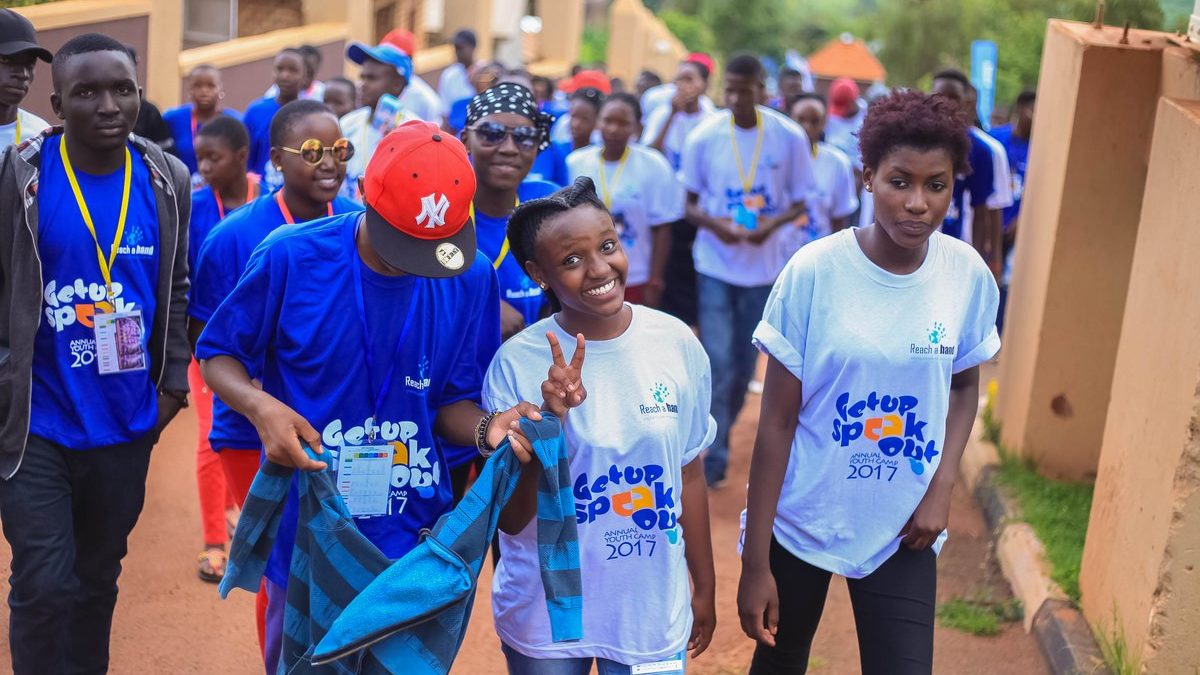
KAMPALA — Uganda has joined the rest of the world to commemorate International Youth Day, with government and youth leaders calling for stronger investment in young people and greater utilisation of programmes designed to improve their livelihoods.
The celebrations, held virtually at the Office of the Vice President in Kampala, were marked under this year’s theme, “Empowering Young People for Inclusive Growth.”
Representing President Yoweri Museveni, Vice President Jessica Alupo said young people and Ugandans in general should no longer tolerate poverty, arguing that the country now has improved infrastructure and access to markets that can support economic transformation.
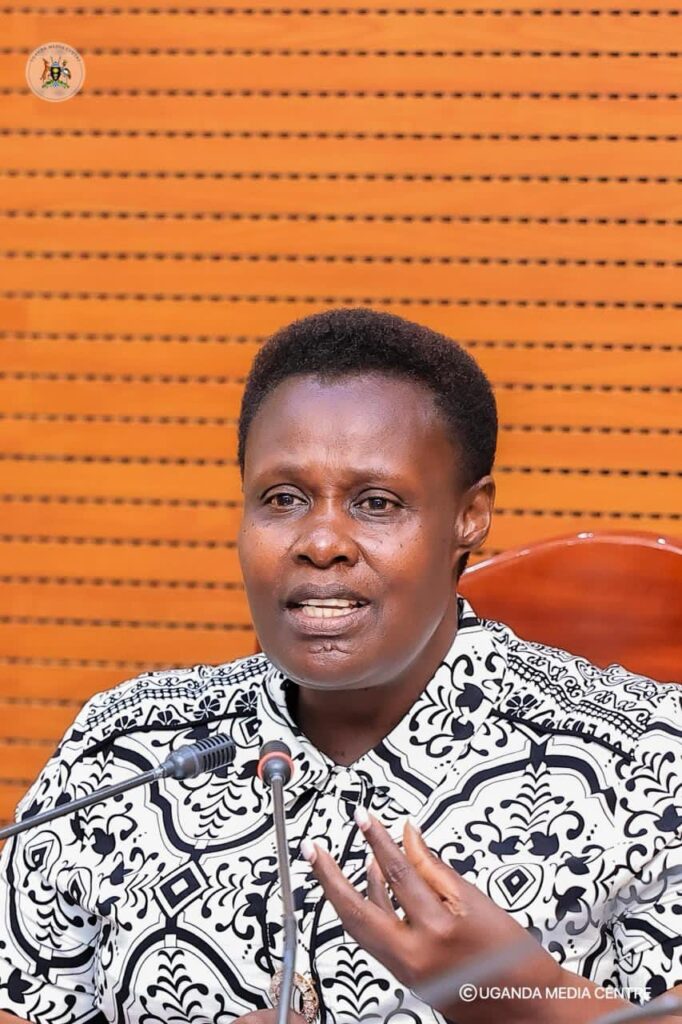
Alupo said the NRM government has addressed several bottlenecks that previously hindered development, including ideological disorientation, a weak state, underdeveloped human capital, poor infrastructure and limited markets.
She urged young people to embrace available opportunities and play an active role in transforming their communities and the country.
General Henry Tumukunde, Minister of Gender, Culture and Social Development, said International Youth Day provides an opportunity for young people to reflect on their challenges and needs while assessing the attention and investment they receive from government.
He said the occasion should also serve as a platform for reconciliation and evaluation of whether adequate resources have been committed to Uganda’s youthful population.
Meanwhile, Dr. Mercy Lakisa, Minister of State for Youth and Children Affairs, said government has introduced several programmes targeting young people, but questions remain over whether beneficiaries are effectively utilising the opportunities provided.
She cited programmes such as the Parish Development Model (PDM), urging stakeholders to assess whether they are delivering the intended benefits to young people.
“Government has put in place programmes, but we must ask whether young people are effectively benefiting from and utilising these programmes,” Lakisa said.
Sheillah Ainembabazi, President of the Uganda National Students’ Association (UNSA), said government has proposed taking young people to Kyankwanzi for training aimed at changing their mindset, promoting creativity and encouraging them to create jobs rather than solely seeking employment.
National Youth Leader on the National Committee, Hon. Jonathan Tayebwa, however, raised concerns over the limited impact of some government youth programmes despite significant funding allocations.
Tayebwa said youth leaders had informed President Museveni that programmes such as PDM and the Youth Livelihood Programme were not yet producing the desired impact on the ground.
He called for better coordination of youth-focused initiatives.
“We have advised government to bring these youth programmes under one umbrella so that they can be better coordinated and have a greater impact,” Tayebwa said.
As Uganda commemorates International Youth Day, leaders have renewed calls for stronger investment in the country’s young population, improved implementation of youth programmes and greater coordination among government initiatives.
With Uganda’s population largely youthful, stakeholders say empowering young people remains critical to turning the country’s demographic advantage into sustainable and inclusive economic growth.