LEGS Project Spurs Economic Growth and Livelihood Transformation in Bunyangabu
By Kyeyune Ali | Bunyangabu
A joint delegation from the Ministry of Local Government, the Ministry of Finance, and the Islamic Development Bank (IsDB) has visited Bunyangabu District as part of the closure mission for the Local Economic Growth Support (LEGS) Project, commending its remarkable impact on community livelihoods and local enterprise growth.
Bunyangabu District has benefited from both Component A, which focuses on enhancing agricultural productivity, and Component B, which provides financial and working capital support to community enterprises.
Through the project, implemented in partnership with the Microfinance Support Centre, a total of UGX 976 million has been disbursed to over 3,200 community members, boosting small-scale businesses, household incomes, and agricultural value addition across the district.
Empowering Communities Through Agriculture and Enterprise
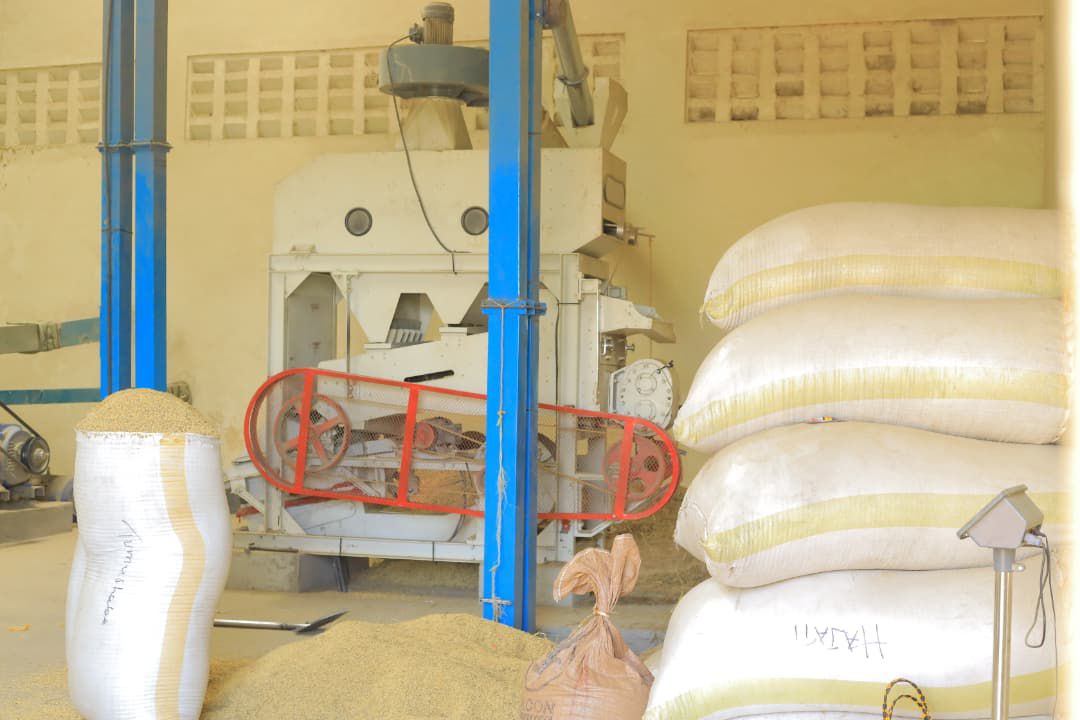
During the monitoring visit, the delegation toured several beneficiary groups that have flourished under the project. Among them was the Rwimi United Development Association, which received infrastructure support and a rice processing machine; the Kageera Banana Farmers Association, which benefited from 40 modern market stalls and two open sheds; and the Bunyangabu Bee Keepers Cooperative (BBC), which received UGX 270 million to expand operations and enhance honey production and processing.
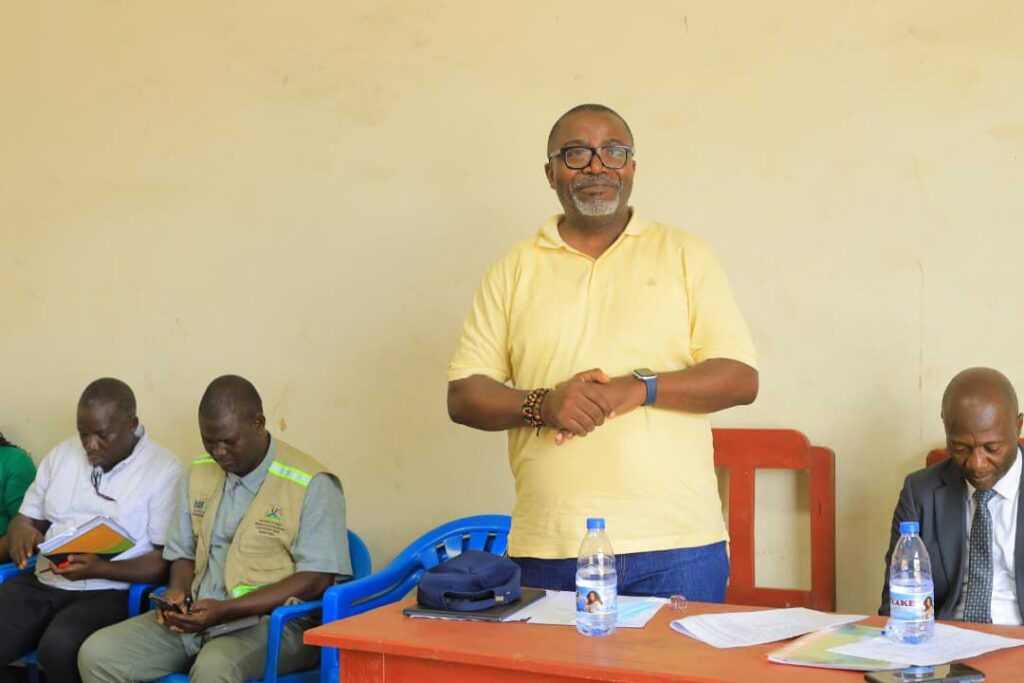
Dr. David Siriri, the Country Director of the Millennium Promise Alliance (MPA), urged farmers to make full use of the Input Voucher Scheme, which operates on a 50/50 cost-sharing basis. He noted that the initiative has enabled 2,218 farmers to access quality agricultural inputs, significantly improving productivity and profitability.
“This scheme has helped farmers purchase certified seeds, fertilizers, and pesticides at affordable prices, leading to higher yields and better household incomes,” Dr. Siriri said.
Local Leaders Commend Progress
The Resident District Commissioner (RDC), Mr. Kamukama Nicholas, praised the tangible results achieved through the LEGS Project and emphasized the need for continued community engagement and mindset change.
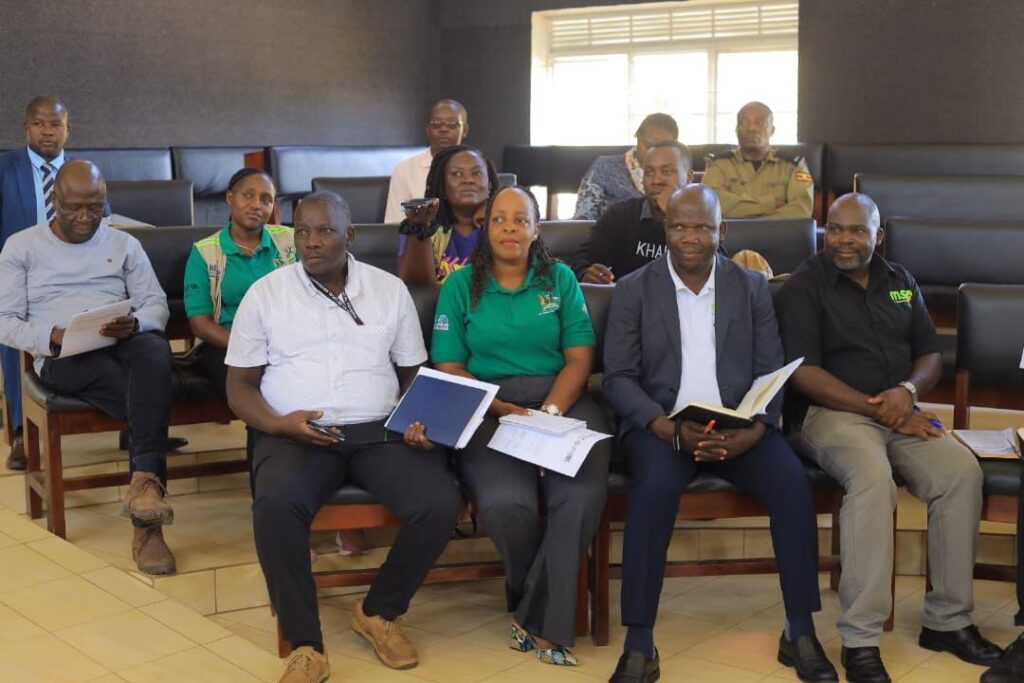
“This project has shown that development starts with a change in attitude. As a district, we shall continue mobilizing and sensitizing communities to fully utilize such initiatives to lift themselves out of poverty,” he said.
Transformative Impact on Beneficiaries
The project’s success is reflected in the stories of beneficiaries whose lives have been transformed.
Asimwe Aisha, a member of the Rwimi United Development Association, shared how she transitioned from a small-scale farmer to a rice trader and processor.
“The project empowered me to buy, mill, and sell rice. My business now sustains my family, and I employ others in my community,” she said.
For Mugisha Bob, a 29-year-old assistant mechanic at the rice processing factory, the project provided an opportunity to earn a stable income and start his own side business.
“With my earnings, I started a small poultry project. The LEGS Project has truly changed my life,” he said proudly.
At Kageera Market, traders like Sylivia Kabanyoro, a beans vendor, are also enjoying the fruits of improved market infrastructure.
“We now have enough space to display our goods and serve more customers. What used to be a small banana market has become a vibrant trading center attracting different types of businesses,” Kabanyoro said.
Driving Inclusive Growth
The LEGS Project has become a model for inclusive rural development—promoting entrepreneurship, agricultural value chains, and infrastructure development.
By empowering farmers, traders, and youth through access to capital, modern facilities, and market linkages, the initiative has stimulated sustainable economic growth and community transformation in Bunyangabu.
As the project winds down, stakeholders have pledged to consolidate the gains made and ensure that the structures and systems established under LEGS continue to uplift livelihoods and drive the district’s long-term development agenda.