
A Nation on The Bet Slip: Why betting Has Become Uganda’s Fastest-Growing Economy of Hope, Risk
STANDFIRST: As betting apps spread faster than government programmes, thousands of Ugandans are staking pensions, school fees and hope on the promise of a jackpot. Gambling is no longer just a game, it is becoming a parallel economy.
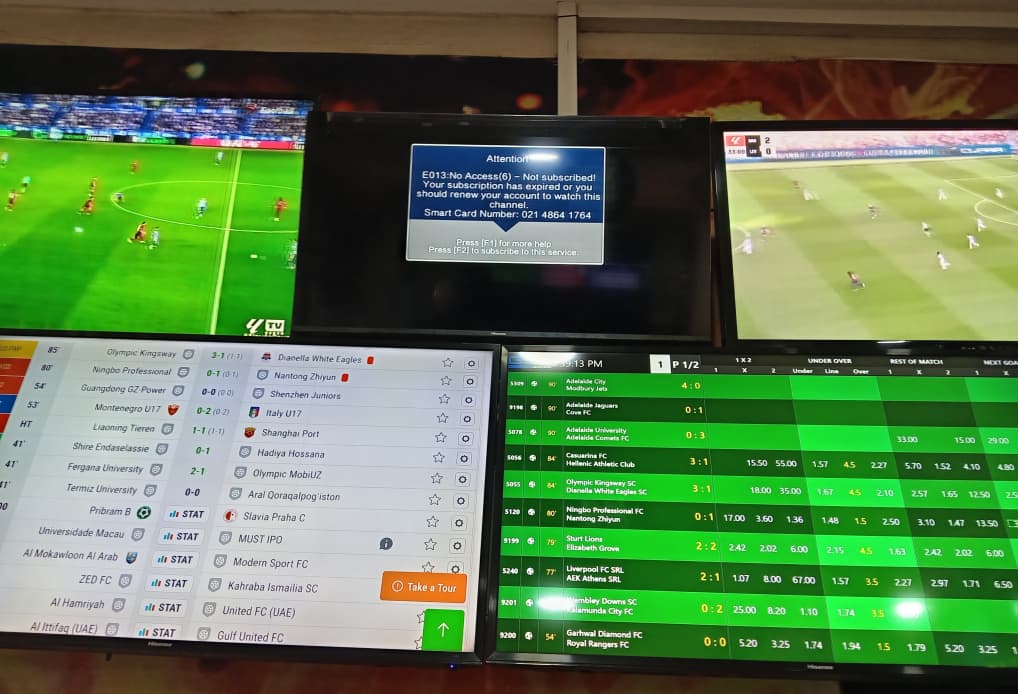
At 12:35am, Hajji, as he’s popularly known, leans forward in his white plastic chair inside a lively betting hall in Mukono Town. His eyes are fixed on his phone as the English Premier League match between Brentford and Arsenal approaches its final minutes at the Gtech Community Stadium in London.
He has staked Shs500,000, money drawn from his pension, on over 2.5 goals, a market carrying odds of 1.96. A successful result would return nearly Shs980,000, leaving him with about Shs480,000 in profit.
Earlier, Noni Madueke had given Arsenal the lead in the 61st minute before Keane Lewis-Potter equalised for Brentford in the 71st minute. Now, Hajji waits for one final goal that could either rescue or ruin his night.
“I have lost more than I have won,” he says, as if accepting a permanent condition.
Yet he does not switch off his phone. In football betting, hope survives until the final whistle.
In 2025, his pension first arrived in his account. Within months, part of it found its way into betting. Years ago, he would walk into betting shops, fill paper slips and wait for results. Now, the shop is in his pocket.
A WhatsApp joke still circulates: “More people have confidence in betPawa than the government.” People laugh, but the message resonates.
“It sounds like a joke but people feel it,” Hajji says, insisting he’s not a problem gambler. He prefers to say he is “trying my luck.”
When the final whistle blows, the match ends without the late goal he needed. He sighs, scrolls through upcoming fixtures and sets his phone down.
“There are other matches tomorrow,” he says.
The quiet betting culture
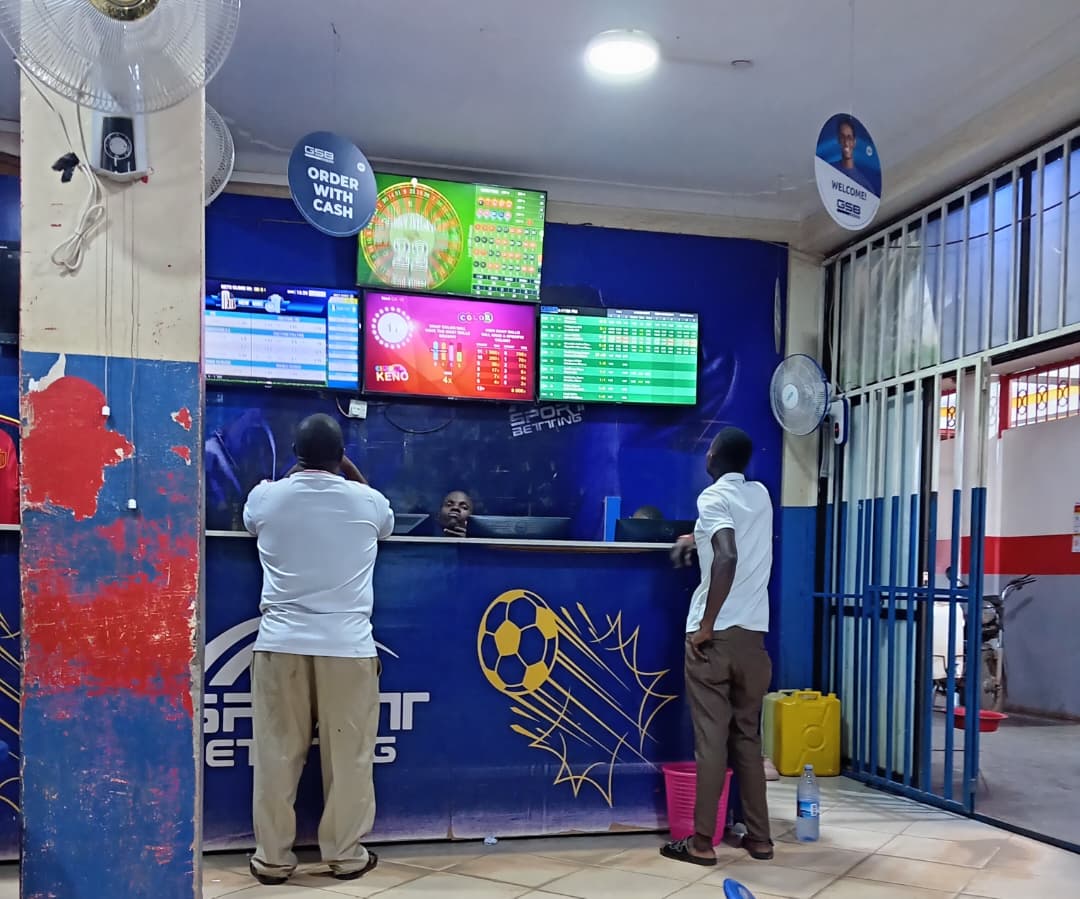
Across Mukono and other towns, betting shops have become some of the most reliable commercial tenants. In buildings where businesses collapse, betting outlets remain steady payers of rent.
At Lina Towers in Mukono, two floors are occupied by betting houses. Only a hospital tenant on the top floor has shown similar staying power.
“If I get another betting house asking for space, I cannot refuse. They pay very well,” said one property manager.
The shift has been subtle. Betting has moved from physical spaces into bedrooms, taxis and offices, powered by smartphones and mobile money. For many, betting is no longer simply entertainment. It is a mathematical promise of sudden change.
The gambling industry has expanded dramatically over the past decade, fuelled by digital technology, aggressive advertising and a youth population deeply connected to European football culture.
With as little as Shs1,000, bettors can chase returns many times their stake. The appeal is instant and emotionally powerful.
Across Africa, South Africa remains the largest revenue market, contributing roughly 40–50%of African gambling revenue. Meanwhile, Kenya and Nigeria lead in participation and mobile betting adoption.
In Uganda, gambling participation is estimated at about 72% of adults. In the 2024/25 financial year, the betting and gaming sector generated about Shs323B in revenue through taxes and licensing fees, according to the National Lotteries and Gaming Regulatory Board (NLGRB). Total betting turnover reached approximately Shs8 trillion during the same period. By early 2026, about 91%of gamblers were using mobile devices.
However, NLGRB Chief Executive Officer Denis Mudene Ngabirano warns that while betting is regulated, instant transactions and easy access are increasing risks among low-income earners and unemployed youth.
Hope, loss and persistence
John Musoke has been gambling since the early 2000s. What began as occasional betting later became regular weekend accumulators. Last year, he placed his daughter’s Primary Seven school fees on a bet.
“I studied the statistics well. I was confident,” he says. But the games did not go his way. The money disappeared within 90 minutes. The fees were eventually raised through borrowing. Still, Musoke continued betting.
“You always think the next one will correct the mistake,” he says.
He remembers early betting experiences in Kabalagala with Q&R Sports Betting, where a “White man” would personally carry winnings in a bag and pay customers upon presenting endorsed receipts. Later, companies like Great Bet expanded into Mukono, helping popularise betting outside Kampala.
As betting grew, large operators such as Sports Betting Africa and Gaming International expanded nationwide.
Musoke’s fortunes have since oscillated between hope and disappointment.
He compares his experiences to a friend, Jordan, who once carried millions to betting halls but later lost his financial stability and now sleeps in cheap lodges after selling off his home.
“Sometimes Jordan begs for money. He used to walk around with up to Shs8 million for betting,” Musoke says.
Information economy
Around betting platforms has grown a parallel industry of tipsters and prediction analysts.
Most radio sports commentators now double as betting advisers, sending predictions through mobile money subscription services. Others operate social media channels promising “sure wins” and insider information.
But not all advice is reliable. One bettor, who identified himself only as George, once paid €100 (about Shs430,000) to an online tipster who claimed to provide fixed-match information from Macedonia. He then staked Shs2m on a supposed guaranteed match. The match was not fixed. He lost everything.
“I learned there is no 100%sure game,” he says.
Today, he relies on statistical websites such as Soccerway and Soccervista, analysing team form, injuries, and historical performance.
Sports journalist Greg Kikomeko of Dunamis FM in Mukono echoes this caution.
“I analyse probabilities, not certainty. Anyone promising guaranteed wins is not being honest,” he says.
Newspapers such as Bukedde and Ennyanda also influence betting culture by publishing weekly fixtures, statistics and analysis sections used as low-cost research tools.
However, the tipster economy largely operates outside regulation, exposing inexperienced bettors to misinformation.
The human cost
Mental health professionals warn that the social costs of betting may be growing faster than treatment systems can respond.
At Jinja Regional Referral Hospital, about 10,000 people sought addiction treatment in 2024, with gambling contributing a fair share of cases.
Psychiatric officer Dr. Joseph Okurut says men aged 15–35 are most vulnerable because of experimentation with risky behaviours, including gambling and substance use.
The hospital’s mental health unit handles between 800 and 900 patients monthly. Nationwide, Uganda has about 16 regional referral hospitals offering addiction treatment, though infrastructure gaps remain a major challenge.
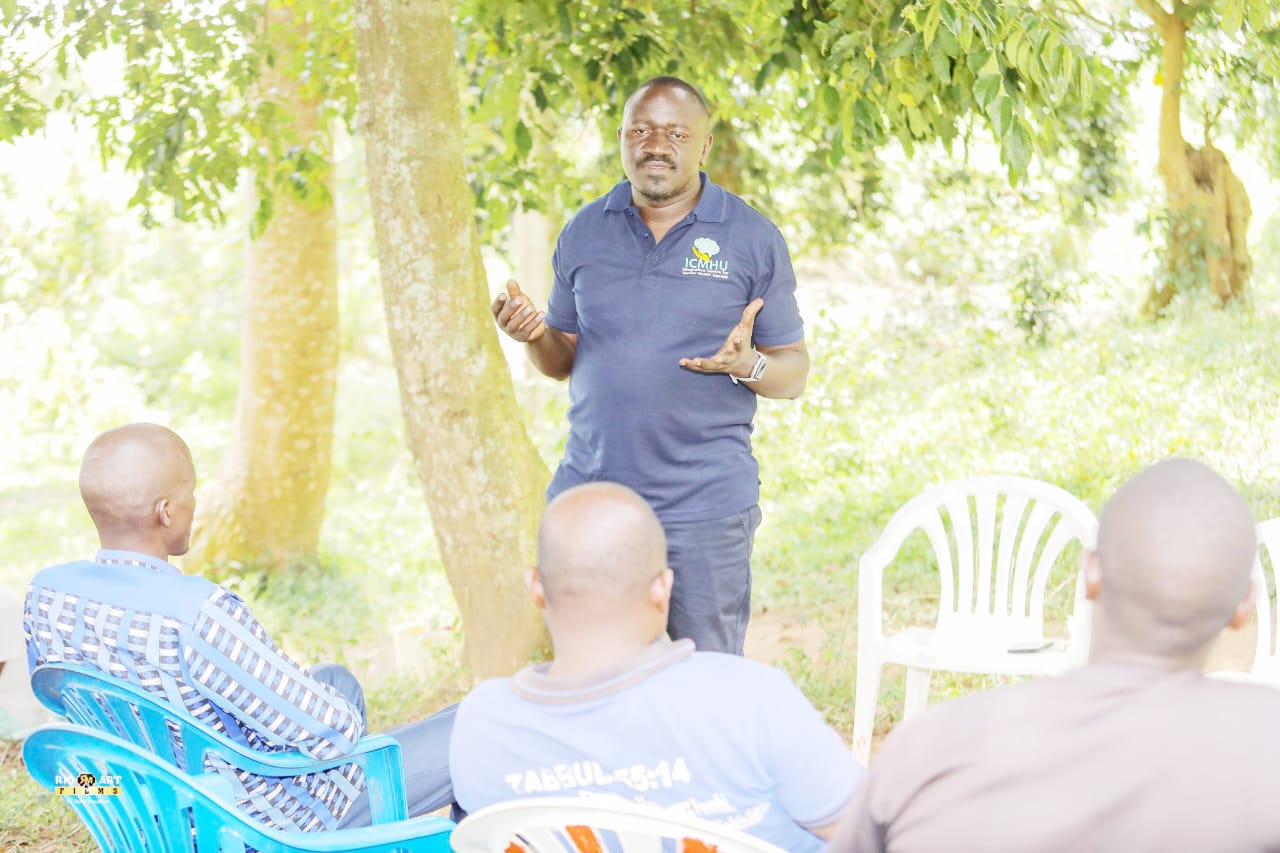
Mental health experts warn that gambling addiction comes at a huge human cost.
Moses Ssemakula, founder of the Integrative Centre for Mental Health Uganda, says patients rarely present as gamblers at first. They arrive with anxiety, insomnia, or financial stress.
Gambling addiction follows a psychological cycle of anticipation, risk and repetition. Losses often intensify behaviour rather than stop it. He explains the near-miss effect.
“If someone loses narrowly, let’s say by one, they believe they were almost right. That ‘almost’ keeps them playing,” Ssemakula says.
Unlike drug or alcohol addiction, gambling leaves no physical signs. Problems often emerge only when rent is unpaid or savings disappear.
“There is shame attached to gambling addiction. Most people hide it. Previously, someone had to walk to a betting shop. Now the temptation is always in the pocket,” Ssemakula says.
For young people facing unstable incomes, gambling can feel like opportunity rather than risk.
“Hope can be addictive,” he says.
Industry defence
Betting companies reject claims that they are fuelling a crisis. betPawa says responsible gambling remains central to its operations. The platform uses safeguards such as age verification, deposit limits, and self-exclusion tools that allow customers to temporarily or permanently restrict access to their accounts.
“We recognise the impact of problem gambling and are committed to supporting responsible play,” said the company’s Country Marketing Manager, Ivy Nyonyozi Igunduura, in a recent interview. “Betting should be entertainment, not a source of income. We encourage customers to stake only what they can afford to lose.”
But Igunduura acknowledges that gambling-related problems can still occur.
“While we prioritise responsible gambling through awareness and support services, we recognise that social and psychological pressures can contribute to excessive betting behaviour,” she says.
Betting against hope
Economists argue that gambling growth is partly shaped by broader economic realities.
In a country with high youth unemployment and limited access to affordable credit, gambling is often framed as opportunity rather than risk.
For many young people, betting offers excitement and hope even when odds are against them. The real wager is no longer just on football matches. It depends on whether tomorrow will be better than today.
As long as uncertainty remains, many will keep returning to their phones each evening, chasing goals, jackpots and the possibility of change. Because in betting, hope remains the most valuable stake of all.