
Uganda’s HIV Prevalence Remains at 5.9%, New UPHIA Report Shows
By Kayiira Jackson
Uganda’s HIV prevalence among people aged 15 years and above stands at 5.9 percent, with approximately 1.496 million adults living with HIV, according to preliminary findings from the 2025 Uganda Population-Based HIV Impact Assessment (UPHIA).
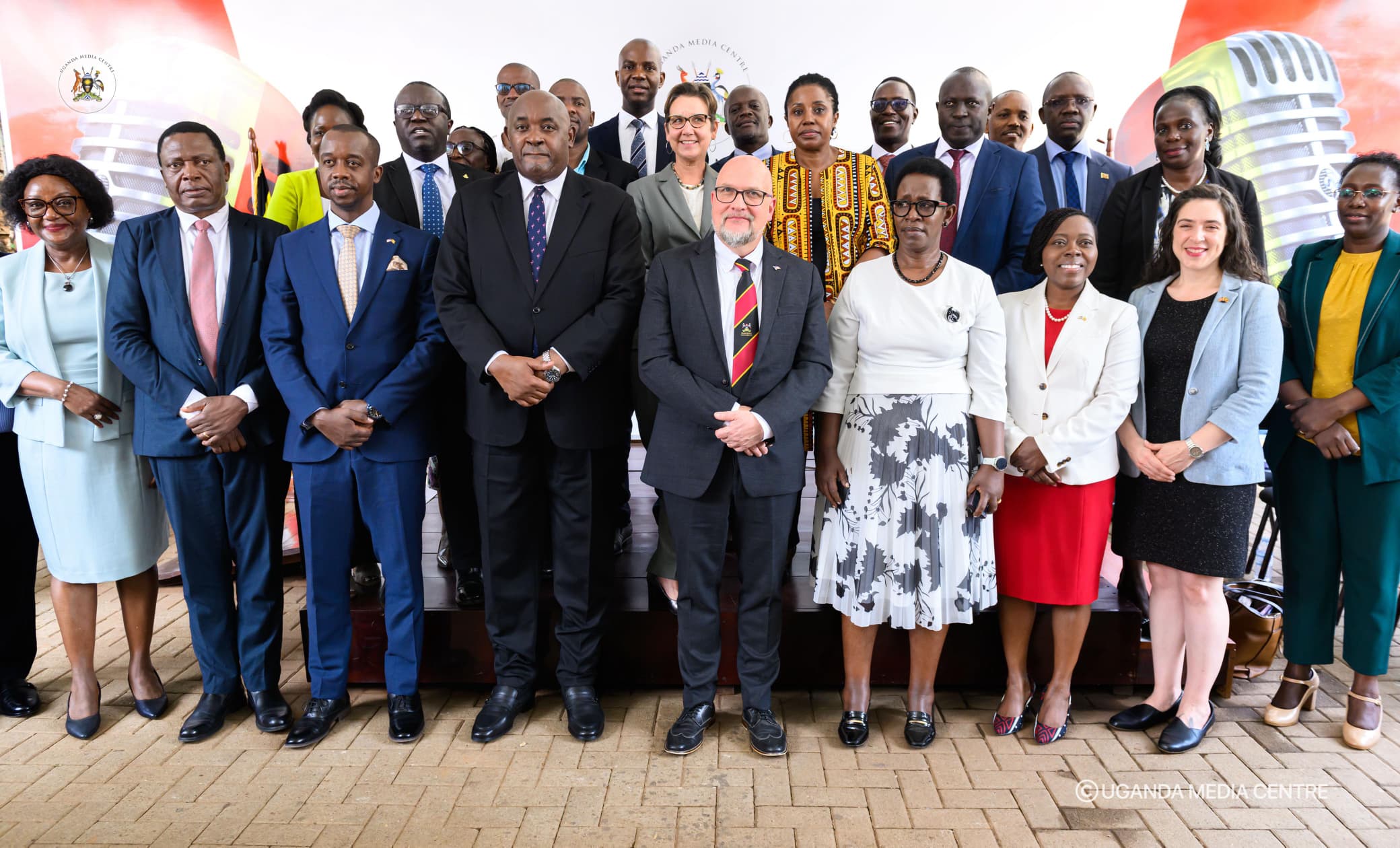
The findings were released on Thursday, October 1, 2026, by Minister of Health Dr Chris Baryomunsi at the Uganda Media Centre in Kampala. The nationwide household survey was conducted to assess progress in Uganda’s HIV response and provide updated data on prevalence, prevention, treatment and viral suppression.
The assessment shows a notable difference between women and men, with HIV prevalence at 7.3 percent among women compared with 4.1 percent among men.
Regionally, the Southwestern region recorded the highest prevalence at 8.0 percent, followed by Central I at 7.3 percent, Central II at 7.2 percent and the Mid-North at 6.8 percent. The lowest prevalence was recorded in Karamoja at 1.3 percent, followed by West Nile at 1.4 percent. Other regions included Kampala at 5.4 percent, Teso at 4.8 percent, Eastern at 4.4 percent and Western at 6.1 percent.
The findings indicate that national HIV prevalence has remained relatively stable in recent years. Previous UPHIA findings put prevalence among people aged 15 years and above at about 5.8 percent in 2020–2021.
Dr Baryomunsi said Uganda’s HIV response is focused on ensuring that people living with HIV know their status, access treatment and achieve viral suppression.
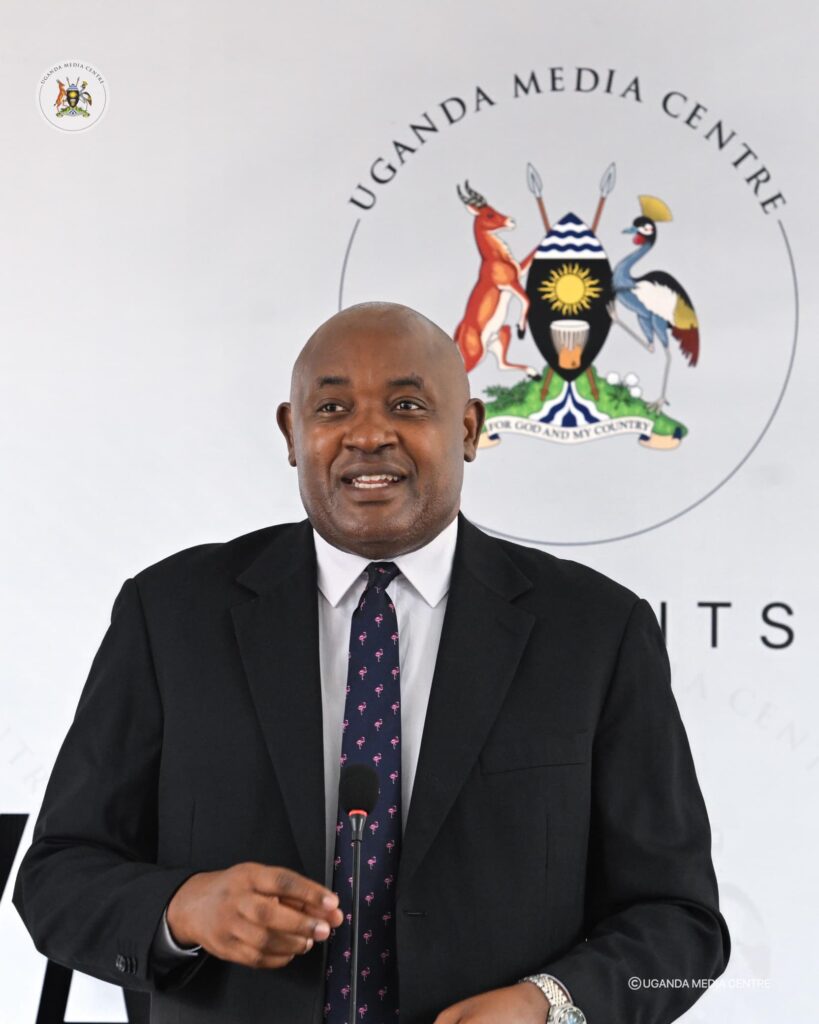
He urged Ugandans to remain informed about HIV prevention and make use of available prevention and treatment services as the country works towards ending HIV/AIDS as a public health threat by 2030.
The minister also encouraged people to practise abstinence or mutual faithfulness in relationships and to use condoms correctly and consistently where appropriate.
The 2025 UPHIA was led by the Ministry of Health in partnership with Makerere University School of Public Health and other institutions. The survey was designed to provide updated evidence on HIV prevalence, incidence and viral load suppression and to help identify gaps in Uganda’s HIV response.