
Can Uganda Trust Again? The Crisis of Confidence Eating Away at Us – Isa Kato
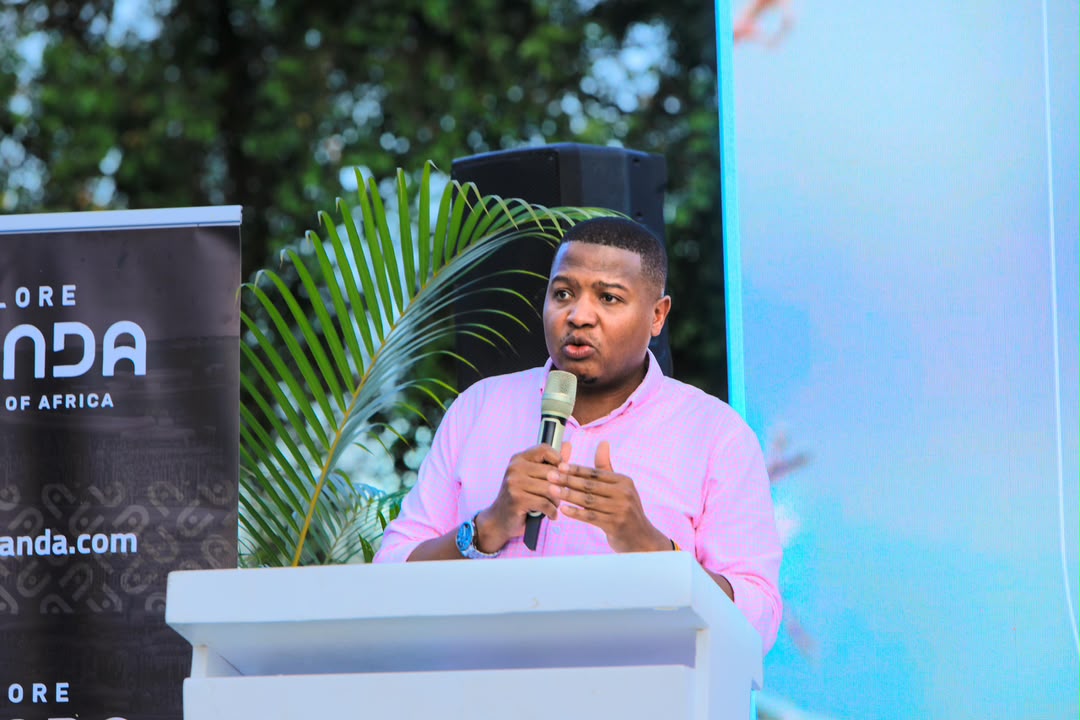
By Isa Kato, Vice President, Uganda Tourism Association
Something is seriously eating away at Uganda: we no longer trust one another.
Government doesn’t fully trust its citizens. Citizens don’t fully trust government. The Uganda Revenue Authority suspects taxpayers, while taxpayers sometimes suspect the URA. Parents question schools. Patients question doctors. Businesses question regulators.
Even in tourism, when a leader becomes deeply committed to the sector, people may ask, “What is in it for him?” And when he appears to do too little, they ask, “Why is he there?”
We seem to be trapped in a strange national marriage where both partners want trust, but neither wants to go first.
How Did We Get Here?
Trust is more than a feeling. It is the invisible glue that holds a country together.
When citizens believe that institutions are fair, they are more willing to comply with laws, pay taxes, participate in public life and invest in the future. When institutions trust citizens, they are more likely to treat them as partners rather than suspects.
But when suspicion becomes the default setting, everything becomes harder.
A simple government decision can be interpreted as a hidden agenda. A new policy can be viewed with suspicion before its merits are even considered. A public official who works hard may be accused of seeking personal gain, while one who does little may be accused of incompetence or indifference.
And ordinary Ugandans are not immune from the same problem. We can be quick to assume the worst about institutions, leaders, professionals and even one another.
Why Does Trust Matter?
A country cannot build lasting prosperity on suspicion alone.
Trust affects how we do business, how we educate our children, how we deliver healthcare, how we govern, how we welcome visitors and how we work together as communities.
Without trust, every transaction becomes a negotiation. Every decision requires an explanation. Every leader is viewed through the lens of suspicion. Every institution struggles to convince people that it is acting in the public interest.
Eventually, people may stop believing not just in institutions, but in the country itself.
The Bible offers a simple principle:
“Let all things be done decently and in order.” — 1 Corinthians 14:40
That principle speaks to something much bigger than religious practice. It speaks to the importance of order, integrity, transparency and responsibility.
There is also an old saying: *Trust takes years to build, seconds to break, and a long time to repair.*
So, Who Do We Trust?
Perhaps this is the question Uganda needs to ask honestly.
Not as a political argument.
Not as another social-media fight.
Not as an opportunity to blame one another.
But as a national conversation.
Why did we lose trust?
What has caused citizens to become suspicious of institutions—and institutions to become suspicious of citizens?
What can government do differently?
What can citizens do differently?
How can businesses, schools, churches, hospitals, media organisations and civil society help rebuild confidence?
And perhaps most importantly: what are we each willing to do to earn trust again?
Trust cannot be demanded. It has to be demonstrated.
It grows when leaders keep their word, when institutions explain their decisions, when professionals act with integrity, when citizens fulfil their responsibilities, and when everyone is treated with fairness and dignity.
Uganda Needs a Trust Reset
We should not pretend that rebuilding trust will be easy.
It will take time. It will require uncomfortable conversations. It will require institutions to listen and citizens to take responsibility. It will require leaders to accept scrutiny and citizens to distinguish between legitimate accountability and automatic suspicion.
But it is possible.
Uganda has enormous talent, energy, creativity and potential. Yet none of that can reach its full potential if we increasingly assume that everyone else is acting in bad faith.
So perhaps the question is not simply:
“Who do we trust?”
Perhaps the better question is:
“What must we do to become a country that deserves to be trusted?”
That conversation needs to begin.
Because without trust, we may be building a country that nobody believes in.
Uganda’s trust deficit is not someone else’s problem. It belongs to all of us.
Let the national conversation begin.