
Uganda’s Football in Crisis: Fan Boycotts Threaten the Future of the Loca league
By: Haba Plan
In August, Uganda hosted the African Nations Championship (CHAN) in Kampala. Contrary to expectations, fans turned up in large numbers for all Uganda games—despite the national team losing to Algeria in the opening match.
To many of us, this felt like a turning point—an opportunity to reignite interest in domestic football. The successful CHAN tournament, particularly in terms of fan attendance, gave hope that local league games would start attracting bigger crowds. We expected FUFA, the country’s football governing body, to take lessons from the CHAN tournament and apply them to boost local league engagement.
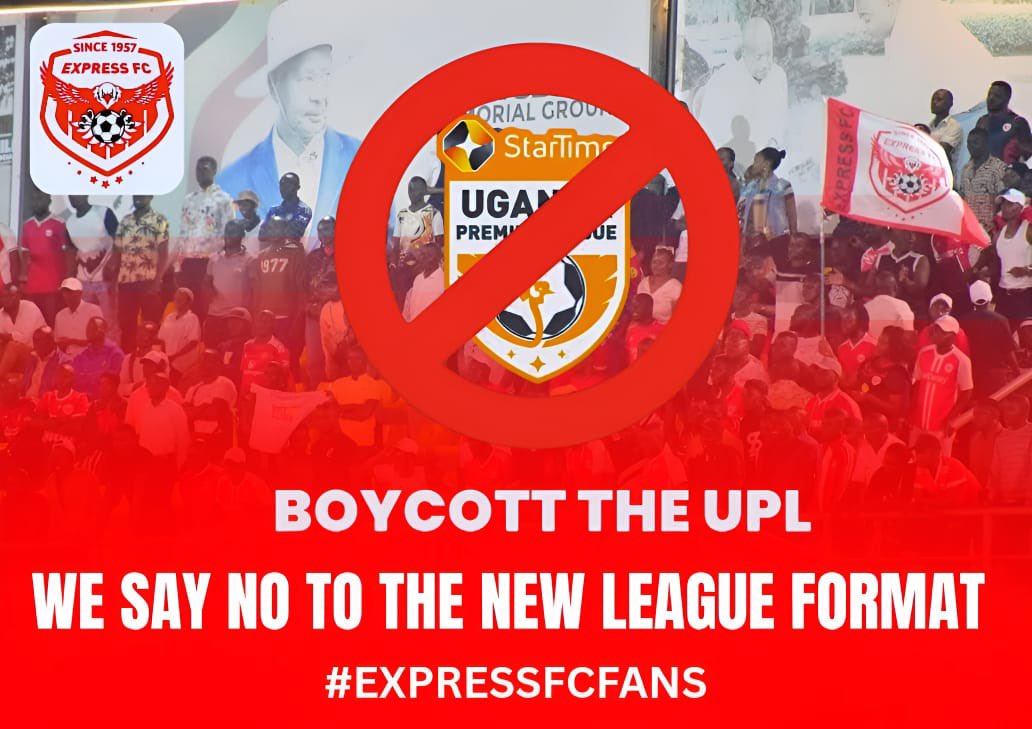
However, just days after the tournament concluded, FUFA announced a new format for the Startimes Uganda Premier League. The new structure involves three rounds, with the primary goal reportedly being to increase revenue for the league.
This decision did not sit well with many Premier League clubs, who questioned the need to change a format that had been working. To make matters worse, fans also voiced their dissatisfaction by standing in solidarity with the clubs—and many began boycotting league matches altogether.
What initially seemed like a theoretical protest quickly became a reality. On October 4th, FUFA organized a high-profile doubleheader featuring Kitara vs. Vipers and KCCA vs. SC Villa. In a shocking turn, Vipers SC refused to show up for their fixture, having earlier announced they would not honor the game. The fans, on their part, followed through with their boycott, leaving the stadium nearly empty—sending a strong message to the federation.
Despite these warning signs, FUFA has shown little urgency in addressing the situation. No significant action has been taken so far, and the federation appears to be operating as if everything is normal.
Then came October 15th, 2025—a date that revealed the growing scale of the problem. In a night match played under floodlights at Kadiba, journalists anticipated a sizable crowd, especially since the venue is small and easily filled. The fixture between SC Villa and Entebbe UPPC ended in a 1-1 draw, with goals from Fazil Tumwine and Andrew Otim. But the more pressing concern was the glaring absence of fans. Both the ordinary stands and the VIP section were largely empty.
If the current standoff is not handled carefully and with transparency, football in Uganda risks descending into a deeper crisis. The sport, as a product, is losing its appeal, and the implications could be long-term.
As fans continue to protest the new league format, we now wait to see whether FUFA will eventually open dialogue with fan representatives. Only by engaging all stakeholders can Ugandan football regain its momentum and grow as a national product.