
Uganda Launches 2026 AIDS Symposium As County Targets Ending the Vice By 2030
By Kyeyune Ali
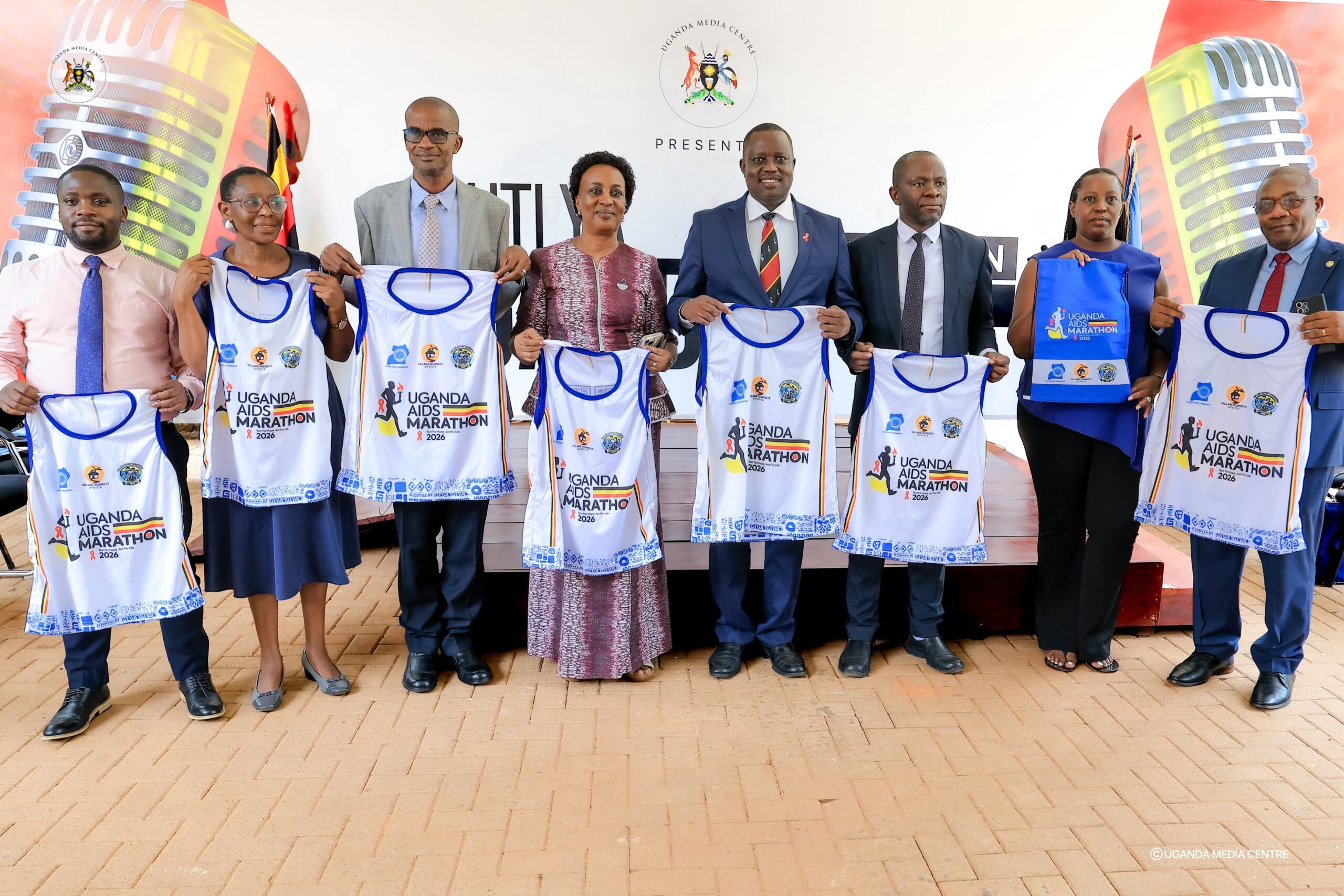
The Uganda AIDS Commission has launched the 2026 National AIDS Symposium at the Uganda Media Centre in Kampala on Tuesday, as the country intensifies efforts to end AIDS as a public health threat by 2030.
The three-day symposium, scheduled to take place from November 16 to 18, 2026, will provide a platform for stakeholders to assess progress in the fight against HIV/AIDS, share experiences and strengthen public awareness about HIV prevention, treatment and care.
During the launch, the Uganda AIDS Commission presented HIV statistics indicating that approximately 1.567 million people are living with HIV in Uganda, including 1.496 million adults aged 15 years and above and about 71,000 children aged between zero and 14 years.
The report further indicates that women account for 66.3 per cent of adults living with HIV, while men represent 33.7 per cent.
Despite the significant number of people living with HIV, Uganda has registered progress in reducing AIDS-related deaths. According to the figures presented, AIDS-related deaths have declined by 66 per cent since 2010, with approximately 19,000 deaths currently recorded annually. Adults account for 85 per cent of these deaths, while children represent 15 per cent.
On HIV testing and treatment, the report shows that 85.3 per cent of adults living with HIV know their HIV status. Of those who know their status, 99.1 per cent are receiving antiretroviral therapy (ART), while 96.5 per cent have achieved viral suppression.
Among women aged 15 years and above living with HIV, 86.6 per cent know their HIV status, 93 per cent are on antiretroviral treatment, and 88 per cent have achieved viral suppression.
Speaking at the launch, the Acting Director of the Uganda AIDS Commission, Mr Tom Etii, commended President Yoweri Kaguta Museveni for his leadership in the country’s fight against HIV/AIDS, noting that Uganda has made considerable progress compared to the situation in the early 1990s.
“Uganda has a success story in the fight against HIV and AIDS, to the extent that many countries have replicated our multisectoral approach and other implementation strategies,” Etii said.
He emphasised the importance of sustaining the country’s achievements through continued leadership, collective responsibility and effective implementation of HIV prevention and treatment programmes.
The Uganda AIDS Commission also highlighted its annual Joint AIDS Review, an important mechanism used to assess the implementation of the National HIV and AIDS Strategic Plan.
The review brings together different stakeholders to evaluate the country’s performance against established targets, identify implementation gaps and recommend improvements in HIV prevention, care, treatment and social support services across the country.
This year’s symposium will be held under the theme: “Sustainable Interventions to End AIDS as a Public Health Threat by 2030.”
The event is expected to bring together government officials, health experts, development partners, civil society organisations, people living with HIV and other stakeholders to discuss sustainable strategies for achieving the 2030 target.
The Minister for the Presidency, Hon. Milly Babirye Babalanda, is expected to officiate as the chief guest.
The symposium comes at a critical time when Uganda seeks to consolidate its achievements in the HIV response while addressing existing gaps in testing, treatment access, viral suppression and the prevention of new infections.
As the country moves towards the 2030 target, stakeholders are expected to use the symposium to renew their commitment to ensuring that no Ugandan is left behind in the fight against HIV/AIDS.